Setia Font: Romantic Script for Business Branding
Elevating Boutique Packaging with Setia Script Handwritten Fonts
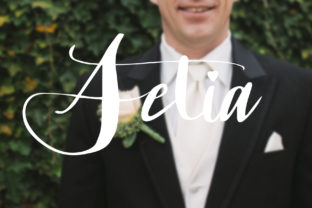
When selecting Setia for your product packaging, you are choosing a lovely script font that adds a romantic touch to any crafting project while maintaining professional appeal. For small business owners selling handmade goods, beauty products, or artisanal foods, the unboxing experience is often just as important as the product itself. Setia serves as an exceptional display font for outer boxes, tissue paper stamps, and product labels because its flowing lines suggest care and personal attention. Unlike rigid serif fonts or generic sans serif fonts, this Script Handwritten typeface communicates warmth before the customer even opens the package.
Practical application of Setia on packaging requires balancing aesthetics with legibility. While it is perfect for large product names or brand logos on a box, ensure that smaller regulatory text or ingredient lists use a clean, readable supporting font. The romantic nature of Setia works best when it has room to breathe; overcrowding this creative font can diminish its elegance. Consider using Setia for the primary product identifier, such as "Lavender Soy Candle" or "Rosewater Toner," while keeping secondary information in a simple modern typography style. This hierarchy ensures your packaging looks premium and trustworthy rather than cluttered.
For entrepreneurs in the wedding or gift industry, Setia aligns perfectly with customer expectations. It bridges the gap between casual handwriting and formal calligraphy, making it ideal for brands that want to feel accessible yet high-end. When printed on textured paper or matte cardstock, the organic curves of Setia enhance the tactile quality of your branding. Always test print sizes on your actual packaging materials before finalizing your design, as ink spread on porous surfaces can affect the delicate details of script fonts.
Building Trust Through Consistent Setia Typography Across Platforms
Consistency is the foundation of brand recognition, and integrating Setia into your digital and physical touchpoints creates a cohesive identity that customers learn to trust. As one of the most versatile Fonts in the romantic niche, Setia translates beautifully from printed business cards to Instagram bios and website headers. Small business owners often struggle to make their online presence feel as personal as their in-person interactions, but this specific typeface helps bridge that digital divide by injecting human warmth into web design and social media graphics.
On social media platforms like Pinterest and Instagram, Setia functions as a powerful stop-scroll element. Use it for quote overlays, announcement graphics, or highlight covers to maintain visual continuity with your physical products. However, readability on mobile screens is paramount. When using Setia for digital ads or stories, keep the text short and impactful. Pair it with high-contrast backgrounds to ensure the romantic loops remain visible on small devices. Avoid using this expressive typeface for long captions or body copy; instead, reserve it for headlines and key messages where its personality can shine without sacrificing user experience.
Your website’s hero section is another prime location for Setia. A bakery, florist, or coaching business can use this font in the main banner to immediately establish mood and niche. It signals to visitors within seconds that your brand values emotion and connection. To maintain professionalism, ensure your web designer implements proper fallback fonts so that if Setia fails to load, the user experience remains seamless. Consistent use of this font across your About page, service menus, and email newsletters reinforces your brand story and makes your business memorable in a crowded marketplace.
Strategic Font Pairing Ideas Using Setia for Professional Marketing Materials
To maximize the impact of Setia in your marketing collateral, you must pair this lovely script font with complementary typefaces that ground its romantic energy. Script Handwritten styles are inherently decorative, meaning they need a stable partner to create balanced business materials like flyers, menus, and price lists. A classic pairing strategy involves combining Setia with a minimalist sans serif font. The clean lines of a geometric sans serif provide necessary contrast, allowing Setia’s flourishes to stand out as focal points without overwhelming the viewer or making critical information hard to read.
For more traditional or luxury businesses, consider pairing Setia with a refined serif font. This combination evokes heritage and sophistication, making it suitable for law firms specializing in family law, estate jewelers, or high-end event planners. The serif handles the dense informational content, while Setia adds emotional resonance to titles and accents. When designing business cards, use Setia for the name or tagline and the secondary font for contact details. This ensures potential clients can easily read your phone number and email address, which is essential for conversion.
- Headlines and Titles: Use Setia at larger sizes (36pt+) to showcase its intricate details and romantic flow.
- Body Copy: Stick to highly legible sans serif or serif fonts for paragraphs, descriptions, and fine print.
- Accent Elements: Apply Setia sparingly to dividers, pull quotes, or signature lines to add personality without reducing clarity.
- Color Contrast: Ensure sufficient contrast between Setia and the background, especially in low-light environments like restaurants or retail stores.
Testing these pairings in real-world scenarios is crucial. Print mockups of your menu or flyer and view them from a typical customer distance. If the Setia text blurs or becomes difficult to decipher, increase the size or adjust the tracking. Remember that what looks beautiful on a high-resolution monitor may not translate perfectly to standard commercial printing. By treating Setia as a strategic design asset rather than just decoration, you ensure your marketing materials are both beautiful and functional.
Navigating Commercial Licensing for Setia in Client Work and Products
Before incorporating Setia into any revenue-generating activity, small business owners must verify the commercial licensing terms associated with these Fonts. Understanding usage rights protects your business from legal issues and supports the type designer who created this lovely script font. Licenses vary significantly; some cover unlimited physical products, while others limit impressions for digital ads or require separate fees for merchandise like t-shirts and mugs. Always read the End User License Agreement (EULA) carefully before using Setia on items intended for sale or client deliverables.
If you operate a design agency or offer freelance services, clarify whether your Setia license extends to client work. Many personal or single-user licenses do not permit transferring files to third parties or using the font in templates sold to others. You may need to purchase a specific commercial or extended license to legally use Setia in branding packages, Etsy templates, or custom invitations created for customers. Transparency with clients about font licensing also builds trust and demonstrates professional integrity.
For digital products and downloadable assets, restrictions are often stricter. Creating a logo template featuring Setia for resale usually requires a specialized license distinct from standard desktop use. Similarly, embedding Setia in apps, e-books, or web kits may involve different pricing tiers. Keep records of your license receipts and documentation in your business files. Investing in the correct license upfront is far less expensive than rebranding due to compliance issues later. Respecting intellectual property rights is a hallmark of a sustainable, ethical small business.